ENVIRONMENTAL SCIENCE · CHAPTER 5
Ecological Succession Lab
Follow along with your worksheet, one question at a time.
mrsajdak.com/succession
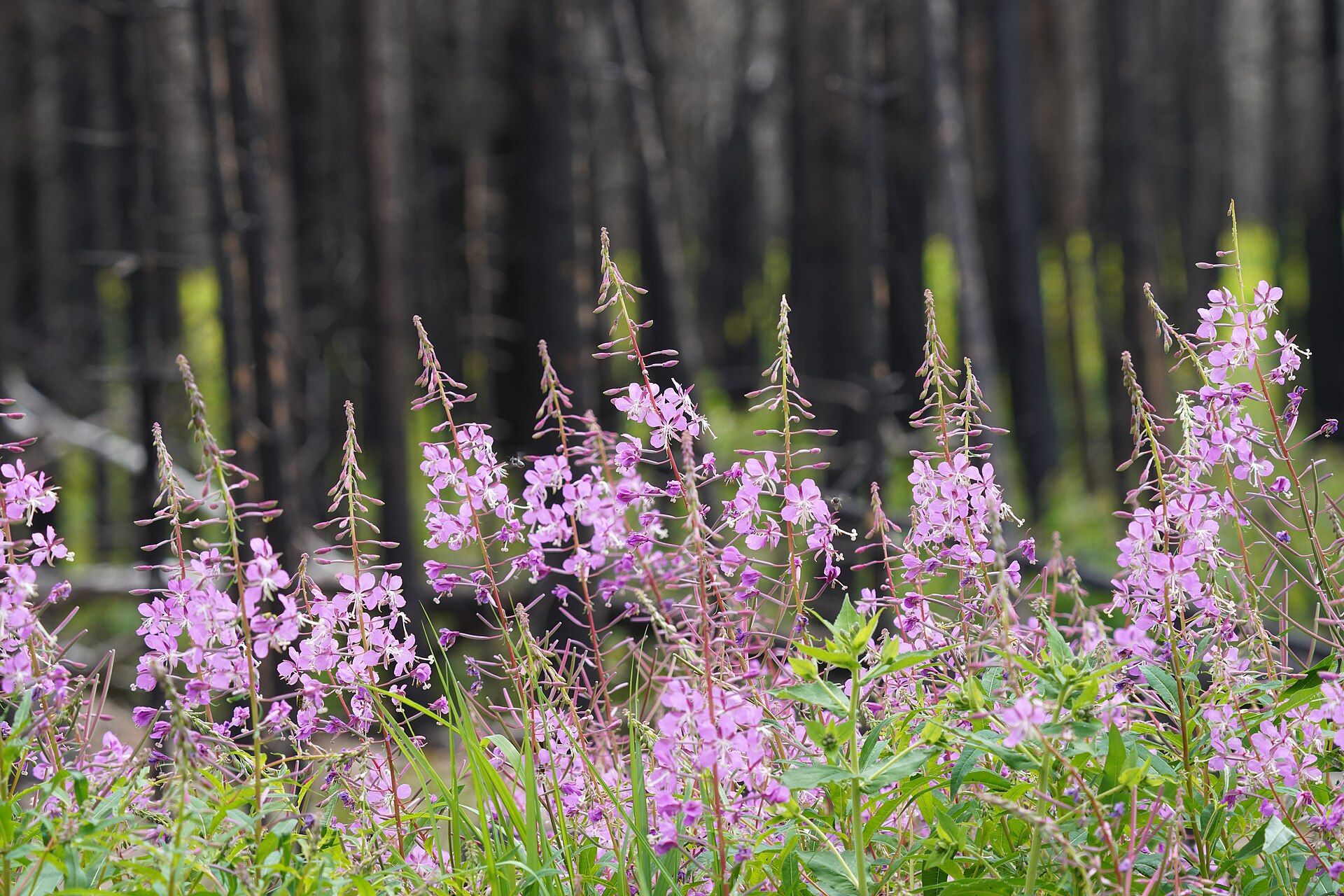
Photo: U.S. Fish and Wildlife Service
BEFORE YOU START
Two ways to start over
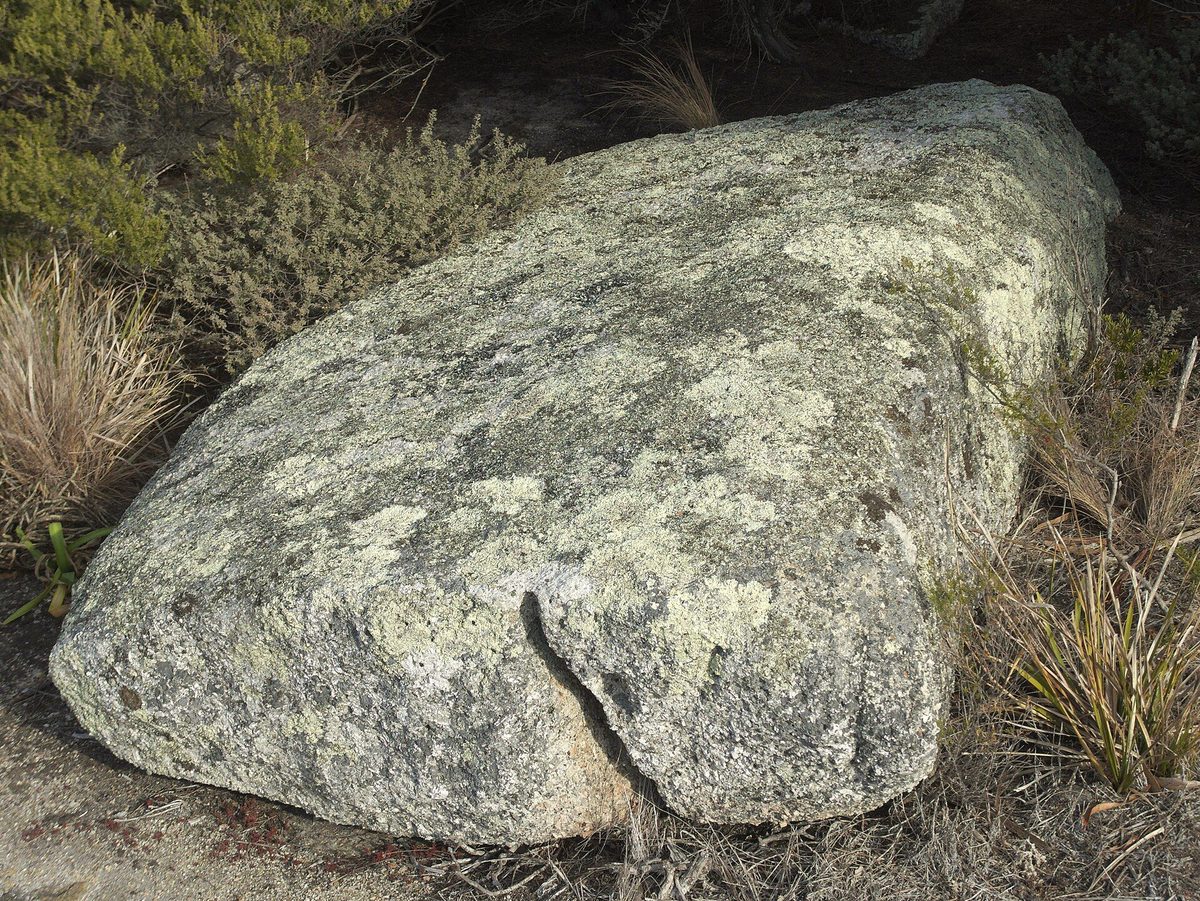
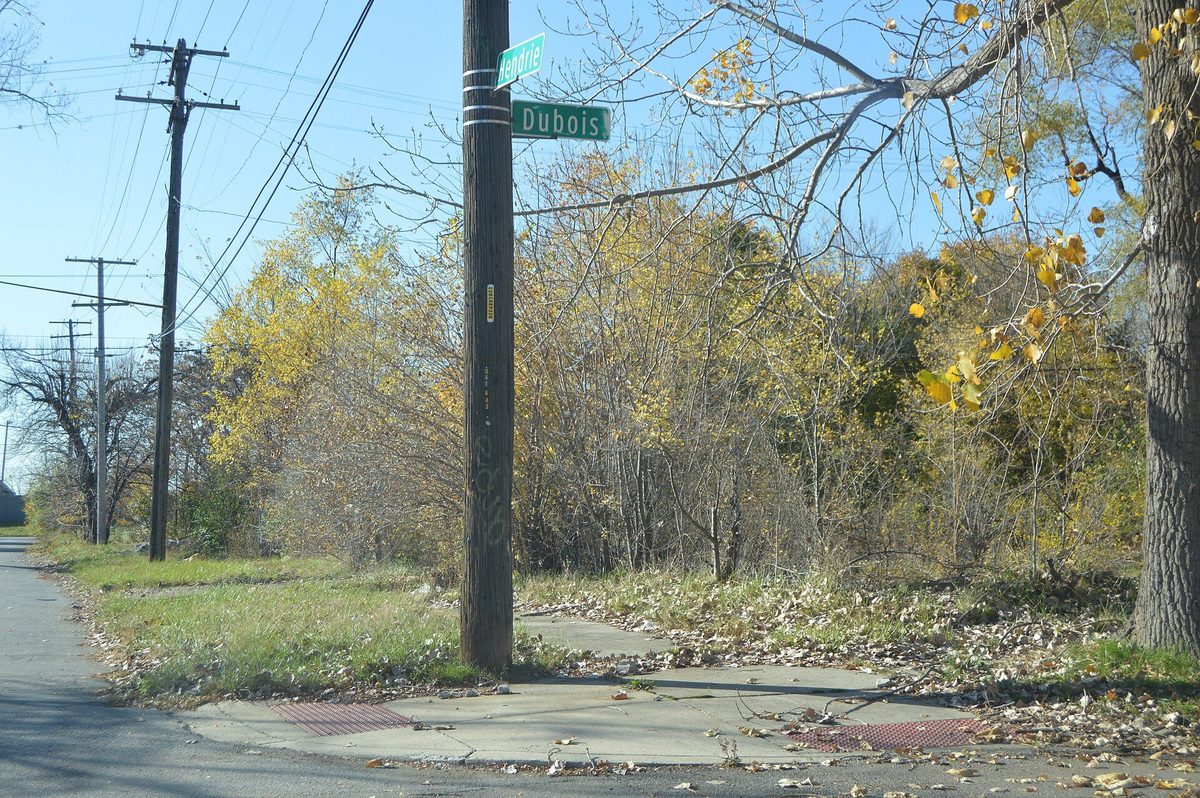
The five stages
1. Pioneers
2. Grasses and wildflowers
3. Shrubs
4. Sun-loving trees
5. Mature forest
Each stage changes the place for the next one.
Both can end as a forest. Which gets there first, and by how much?
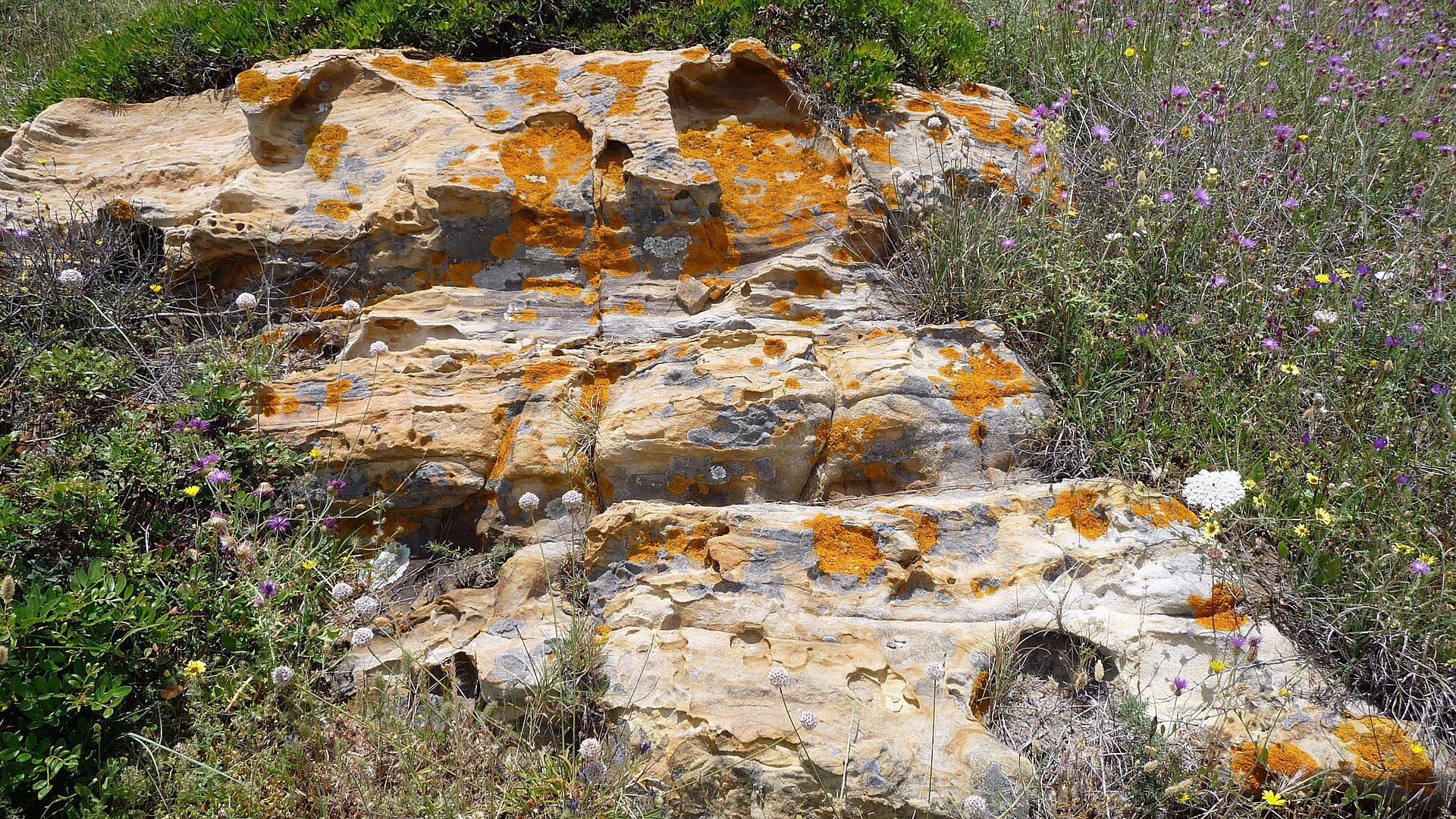
Photos: Gary Houston, CC0 · Nyttend, public domain
BEFORE YOU START
Get set up
1
Open mrsajdak.com/succession on your device.
2
Write your name, the date and your period on the worksheet.
3
Find the three tabs at the top of the lab. Each tab goes with one part of the worksheet.
4
Start on Tab 1. Do not skip ahead.
| Tab in the lab | Worksheet | Questions |
|---|---|---|
| 1. Fast-forward a place | Part 1 | 1 to 5 |
| 2. Disturb it | Part 2 | 6 to 11 |
| 3. Mount St. Helens | Part 3 and Wrap it up | 12 to 16 |
Screenshot: mrsajdak.com/succession
TAB 1 · QUESTIONS 1 TO 5
Part 1. Fast-forward a place
Succession is the slow change in what lives in a place.
You will run two places through hundreds of years. Watch what shows up first.
Photo: gailhampshire, CC BY 2.0
PART 1 · TAB 1
Run a place through time
1
Pick Bare rock.
2
Press Play. Or drag the year slider.
3
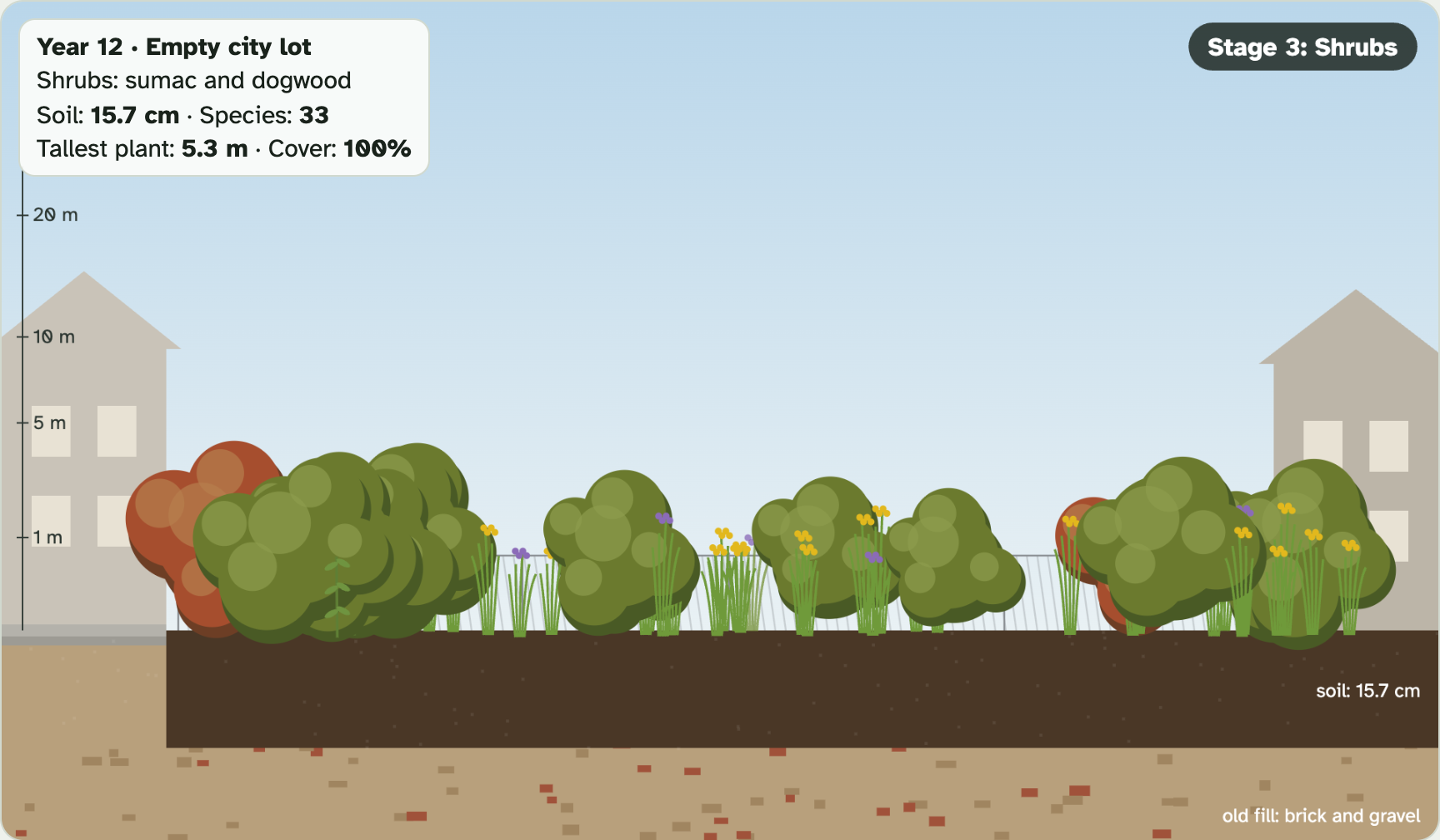
Watch the box in the corner of the picture. It shows the year, the stage and the numbers.
4
Go all the way to the end. The rock ends at year 600.
5
Then pick Empty city lot. Run it to the end too. The lot ends at year 150.
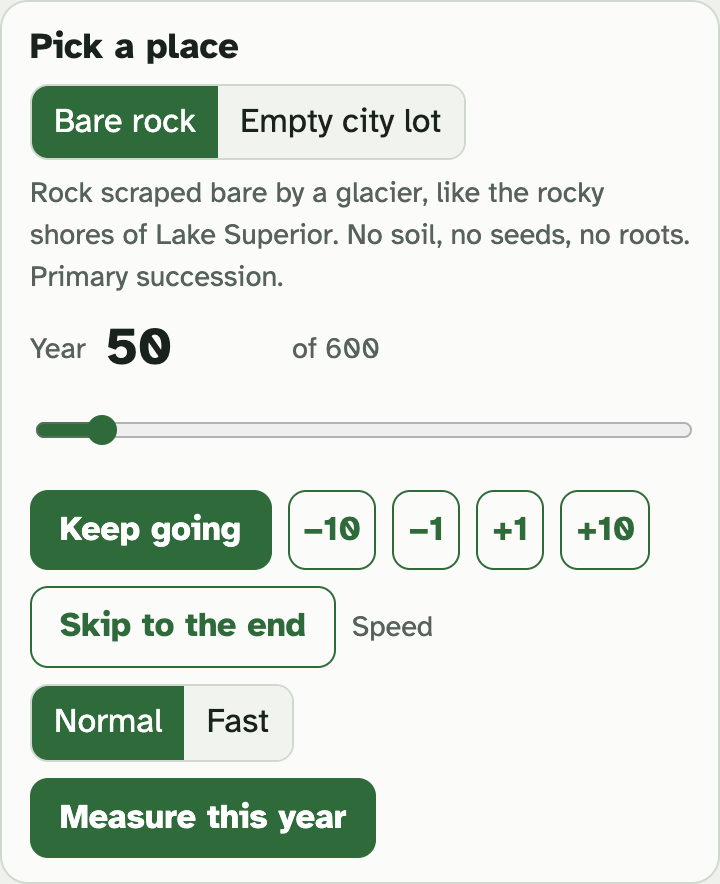
The −1, +1, −10 and +10 buttons move a few years at a time.
Skip to the end jumps to the last year.
Screenshots: mrsajdak.com/succession, Tab 1
PART 1 · QUESTION 1
When does each stage begin?
1
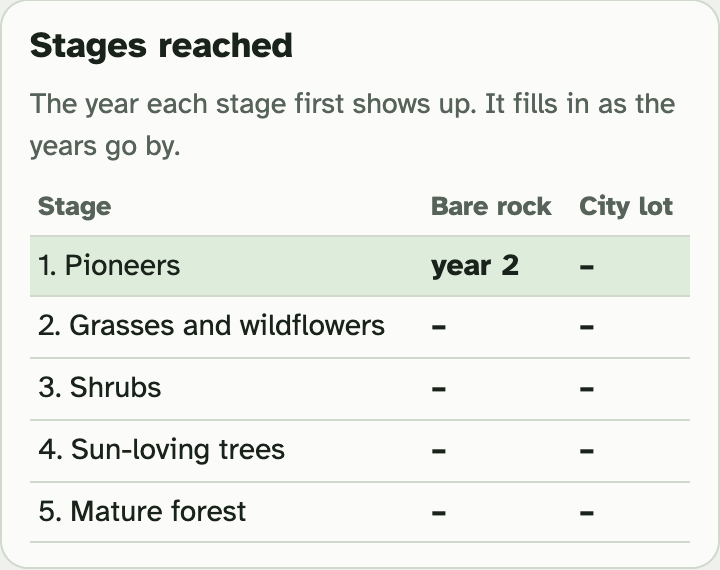
Find the Stages reached box in the lab.
2
Copy the year each stage begins. Do the rock column and the lot column.
3
For each stage, divide the rock year by the lot year.
4
Write how many times as long the rock takes.
Example
A stage begins in year 80 on the rock.
It begins in year 4 in the lot.
80 ÷ 4 = 20
The rock takes 20 times as long.
These are not your numbers. Use your own.
Screenshot: mrsajdak.com/succession, Tab 1
PART 1 · QUESTION 2
Measure year 20 and year 100
1
Pick Bare rock. Set the year to 20. Use the slider, then the +1 and −1 buttons.
2
Press Measure this year.
3
Set the year to 100. Measure again.
4
Do the same two years for the city lot.
5
Copy the four rows from Your measurements.
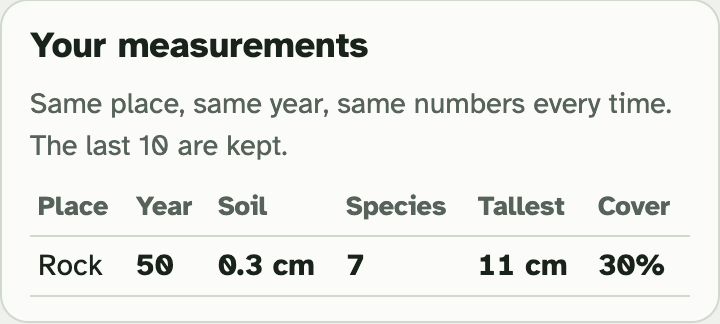
| Soil depth | How deep the soil is, in cm. |
| Plant species | How many kinds of plants live there. |
| Tallest plant | Check the unit. It may be cm or m. |
| Plant cover | How much of the ground has plants on it. |
Screenshot: mrsajdak.com/succession, Tab 1
PART 1 · QUESTIONS 3 TO 5
Explain what you saw
QUESTION 3
First
Pioneer species
Go back to bare rock. Look at the first 50 years.
What living things show up first? How do they start to make soil?
QUESTION 4
5 ×
Why is the lot faster?
The lot gets to a mature forest about 5 times faster.
Compare the soil at year 20 in your Question 2 table. Use a number.
QUESTION 5
Peak
Up, then down
On the graph, press Plant species. Read the top of the lot’s line. Then read the end.
Think about what tall trees do to the ground under them.
TAB 2 · QUESTIONS 6 TO 11
Part 2. Disturb it
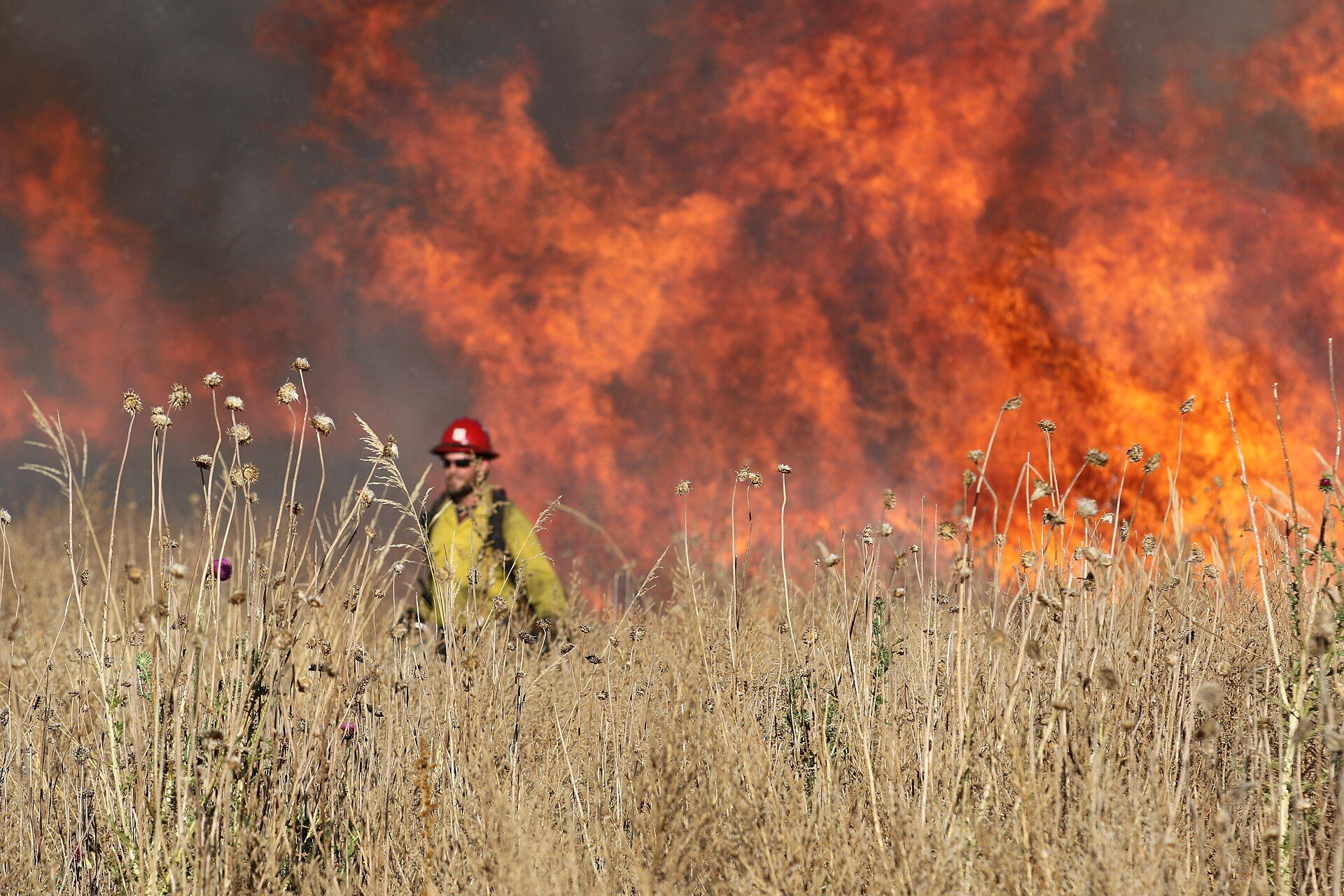
A disturbance is something that damages a community. A fire, a flood, a windstorm, a bulldozer.
You will hit three communities. Then you will time how fast each one comes back.
Photo: U.S. Fish and Wildlife Service
PART 2 · TAB 2
Three communities
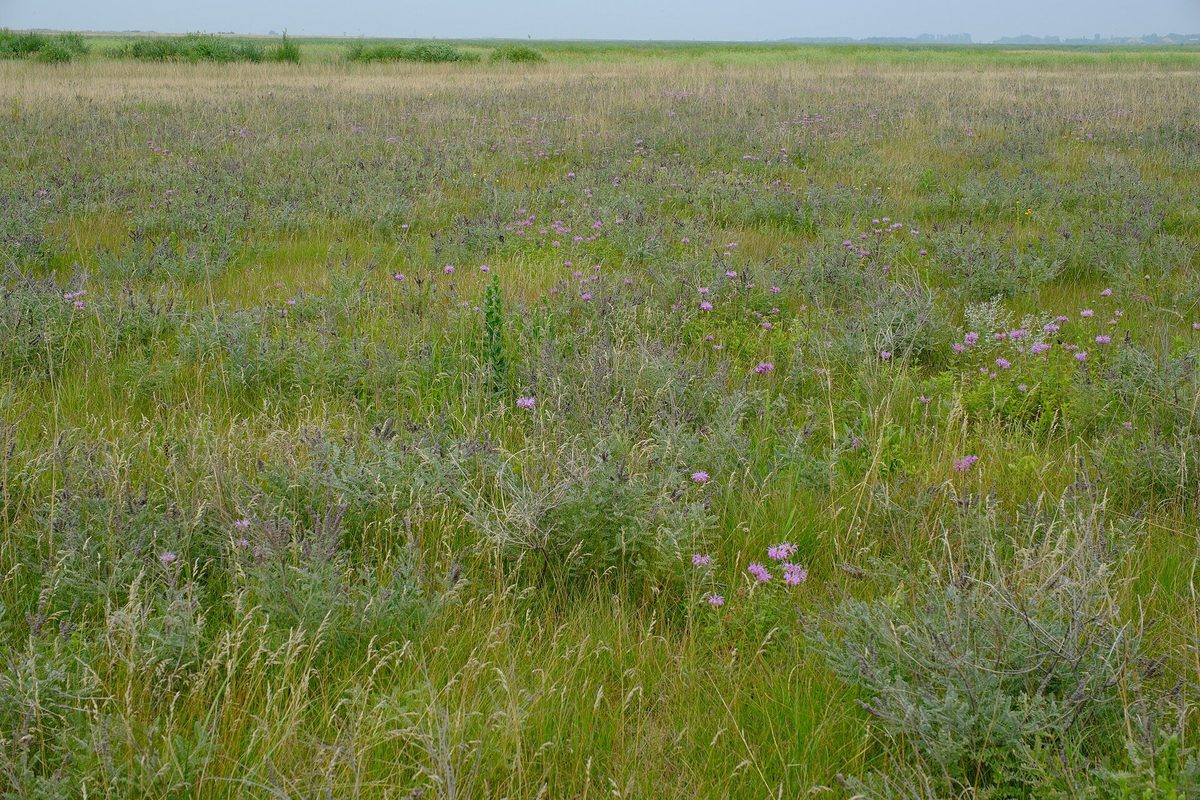
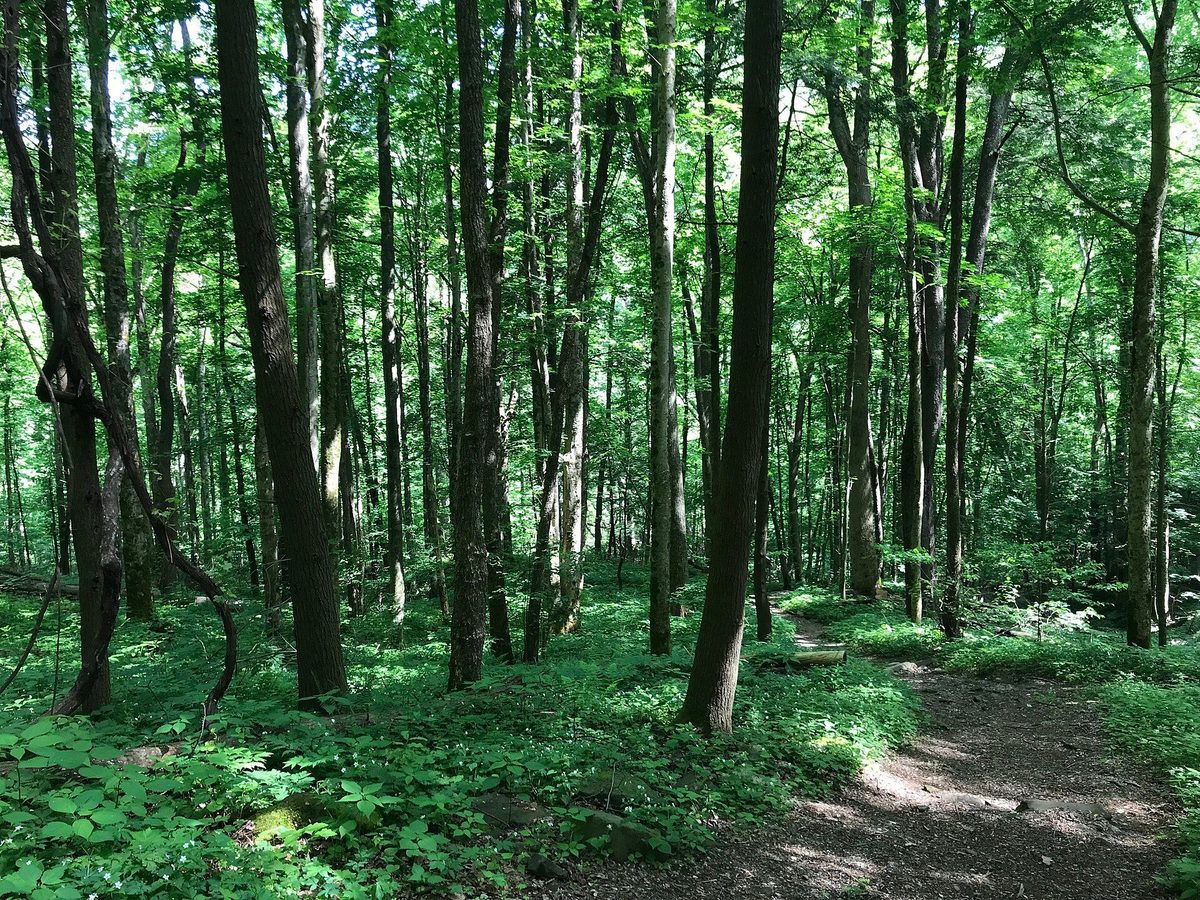
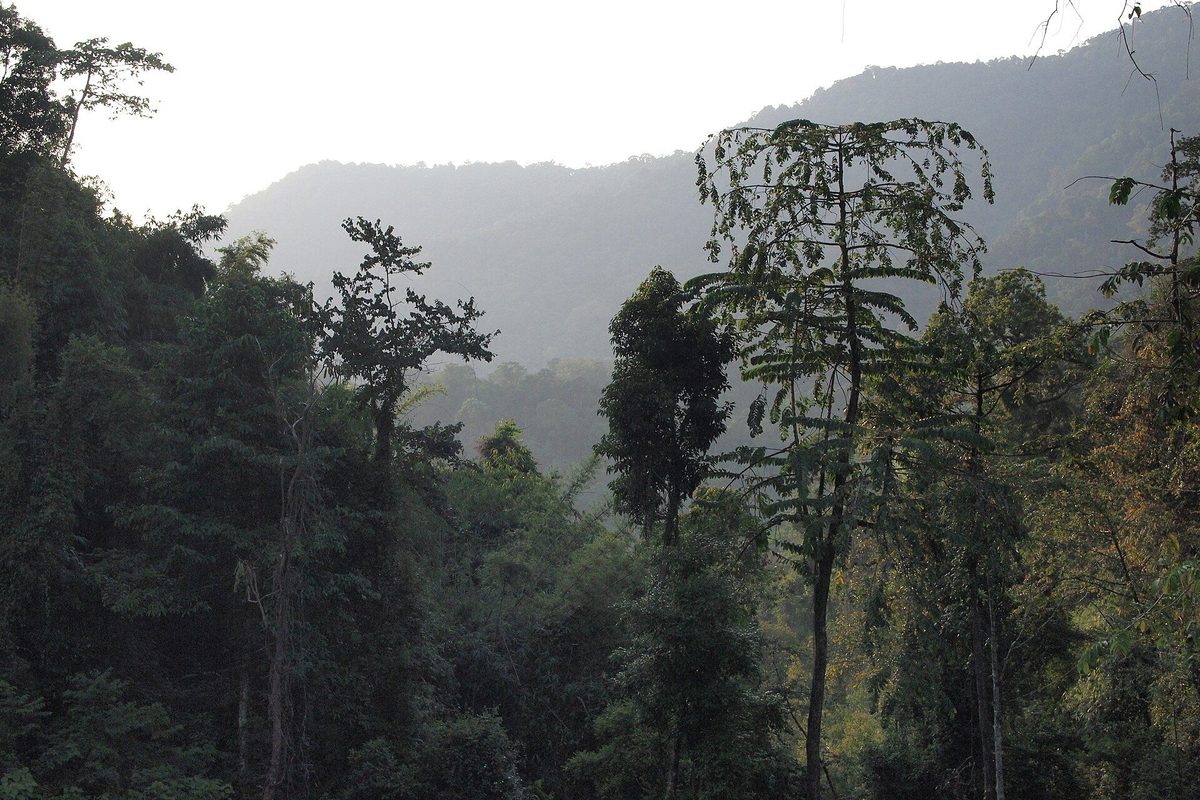
Which is hardest to damage? Which comes back fastest? Is it the same one?
Photos: Jasper Shide, CC0 · Great Smoky Mountains National Park · Vyacheslav Argenberg, CC BY 4.0
PART 2 · TAB 2
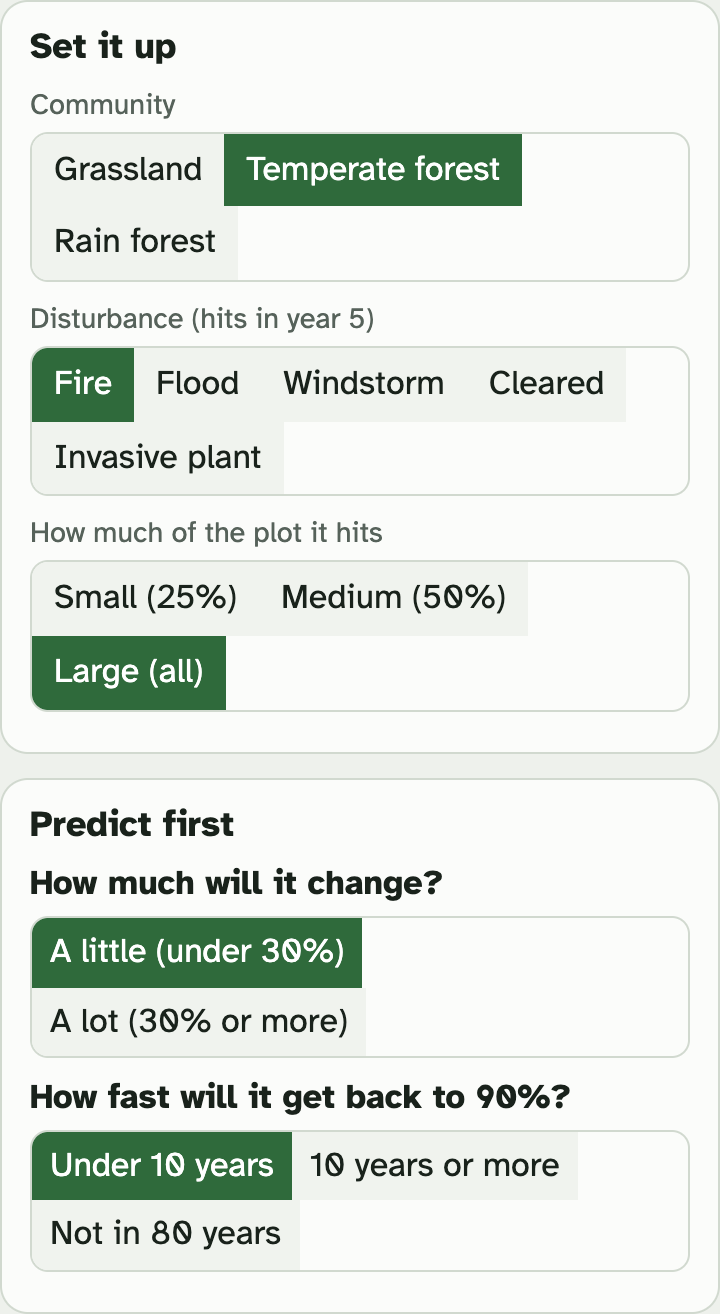
Predict, then run
1
In Set it up, pick the community and the disturbance. Pick Large (all).
2
In Predict first, pick how much it will change. Pick how fast it will come back.
3
Press Run. Or press Skip to the end.
4
Find Your runs. Copy Change and Back to 90%.
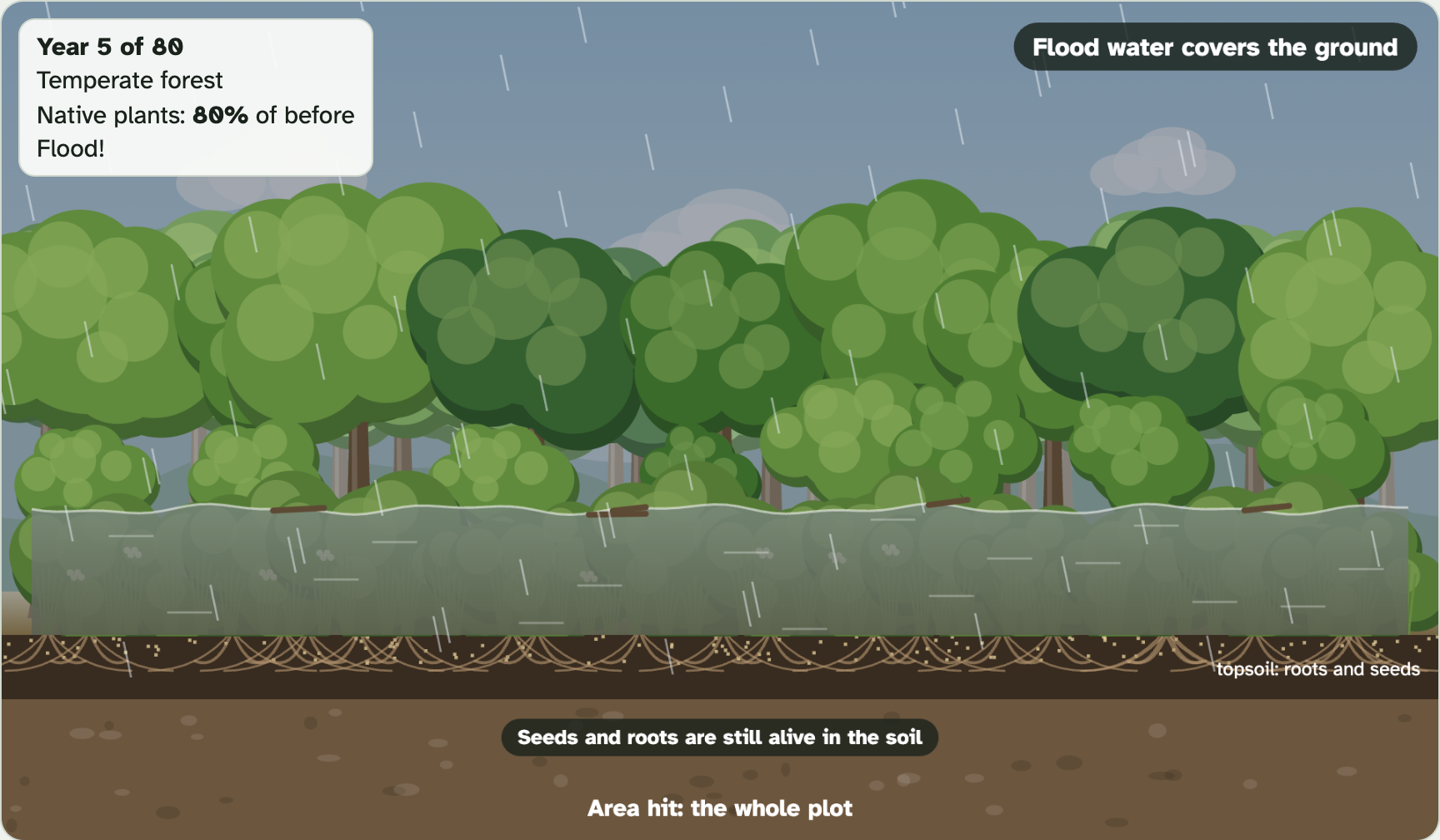
The disturbance hits in year 5. The run ends at year 80.
A wrong prediction is fine. Make it before you run.
Screenshots: mrsajdak.com/succession, Tab 2
PART 2 · QUESTION 6
Your six runs
| Run | Community | Disturbance |
|---|---|---|
| 1 | Grassland | Fire |
| 2 | Grassland | Cleared |
| 3 | Temperate forest | Fire |
| 4 | Temperate forest | Cleared |
| 5 | Rain forest | Fire |
| 6 | Rain forest | Cleared |
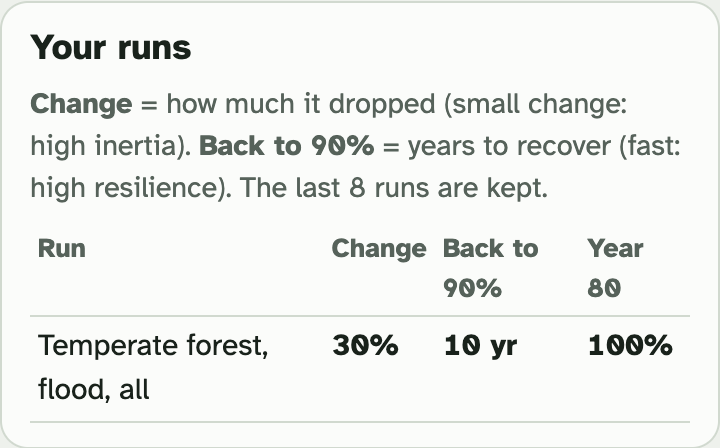
Change is how much the community dropped.
Back to 90% is how many years it took to recover. If the lab says not in 80 yr, write that.
Screenshot: mrsajdak.com/succession, Tab 2
PART 2 · QUESTIONS 7 TO 9
Two different strengths
QUESTION 7
Inertia
Hard to damage
Surviving a disturbance without changing much.
Look at your fire columns. Which community changed the least? Give its number.
QUESTION 8
Resilience
Quick to come back
Being restored after a severe disturbance.
Look at your cleared columns. Which came back fastest? Which was slowest? Give numbers.
QUESTION 9
Agree?
“Hard to damage means fast to bounce back.”
Find the rain forest’s two numbers: its change in a fire, and its years back after clearing.
Argue for or against.
PART 2 · QUESTIONS 10 AND 11
Size, and a different kind of trouble
QUESTION 10
Does size matter?
Run Temperate forest, Windstorm, Small (25%). Write the change.
Run it again at Large (all). Write the change.
How does a bigger disturbance change the effect?
QUESTION 11
An invader moves in
Run Temperate forest, Invasive plant, Large.
Write the native plants at year 80. It is the last column in Your runs.
A fire ends. What about an invader?
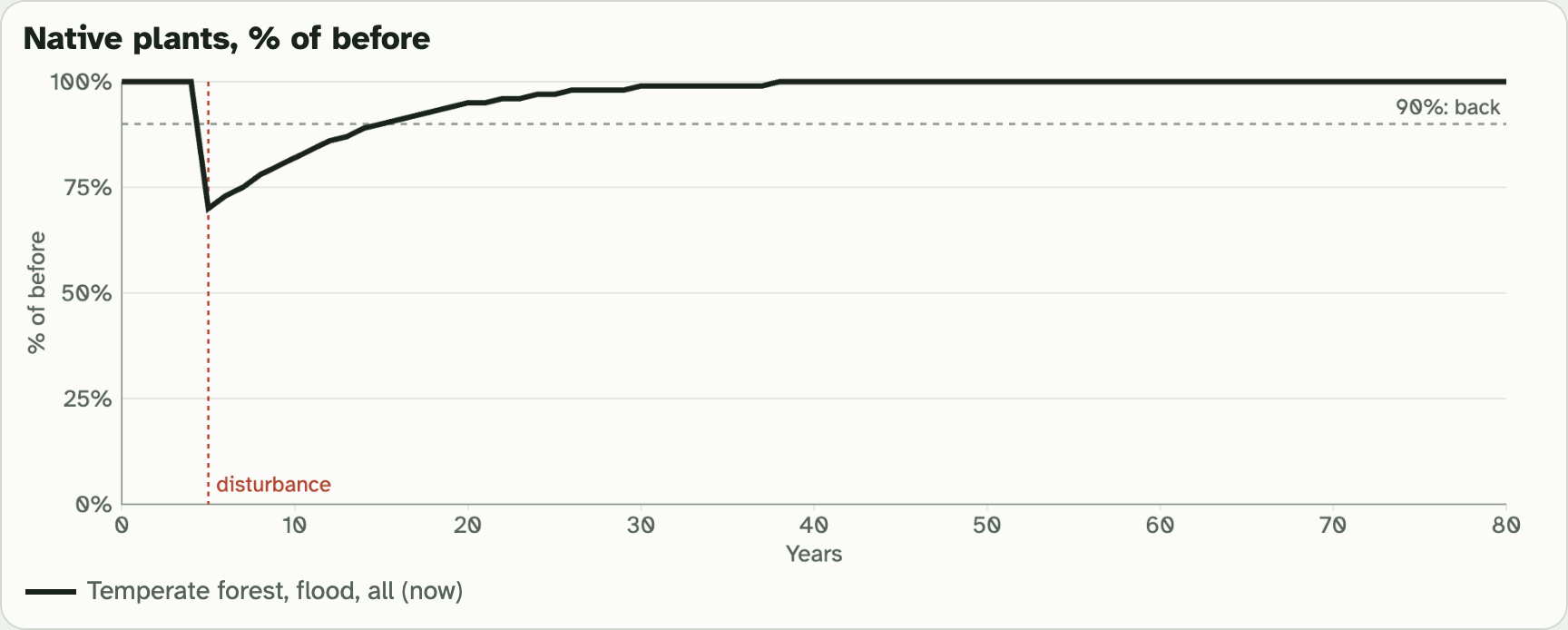
The graph shows native plants as a percent of before.
The dotted line is 90%. Back over the line means recovered.
Screenshot: mrsajdak.com/succession, Tab 2
TAB 3 · QUESTIONS 12 TO 15
Part 3. Mount St. Helens
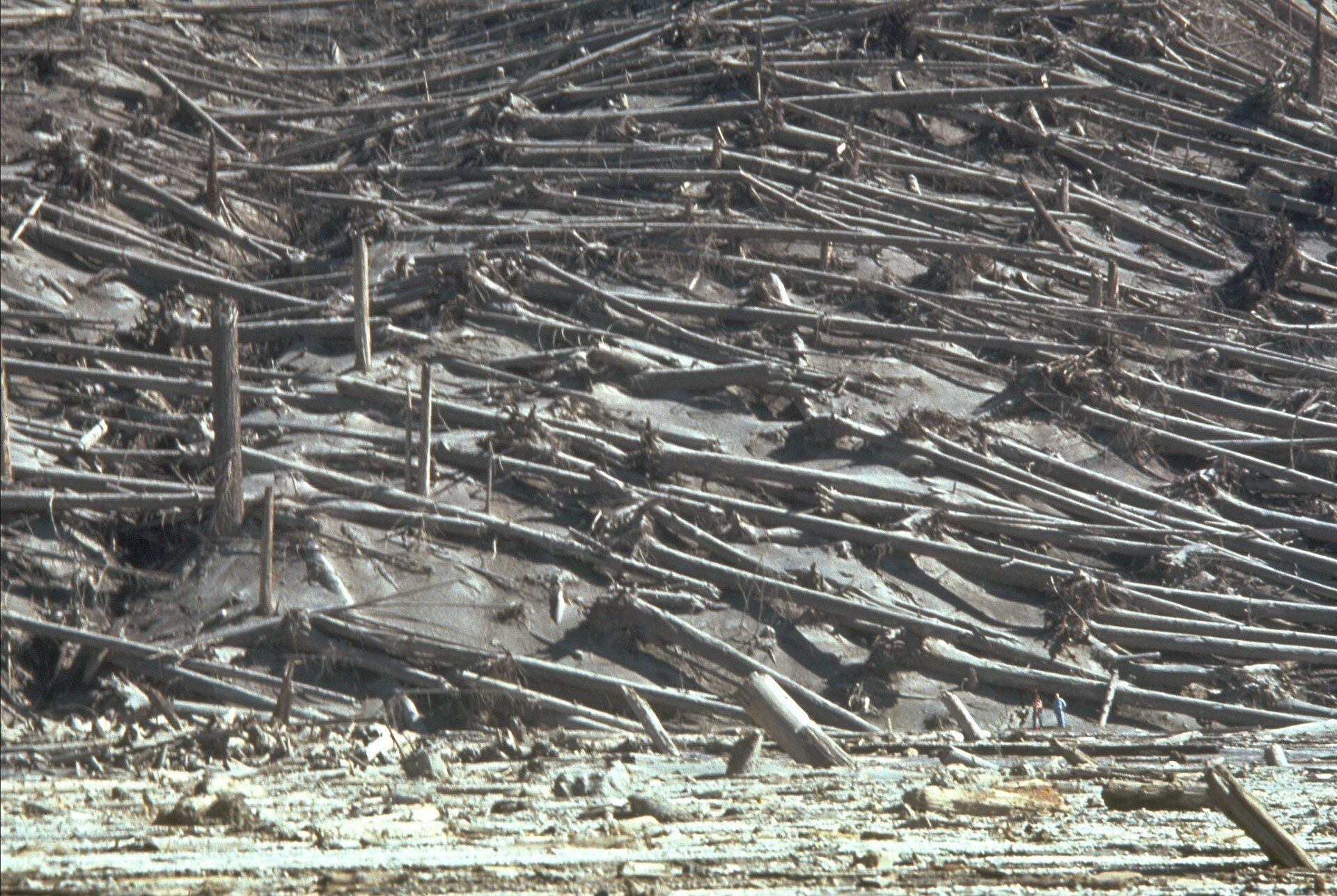
On May 18, 1980, this volcano in Washington State erupted. The blast knocked whole forests flat.
Ecologist Roger del Moral went back almost every summer to measure the plants. These are his real numbers.
Photo: Lyn Topinka, U.S. Geological Survey
PART 3 · QUESTION 12
Read the real data
1
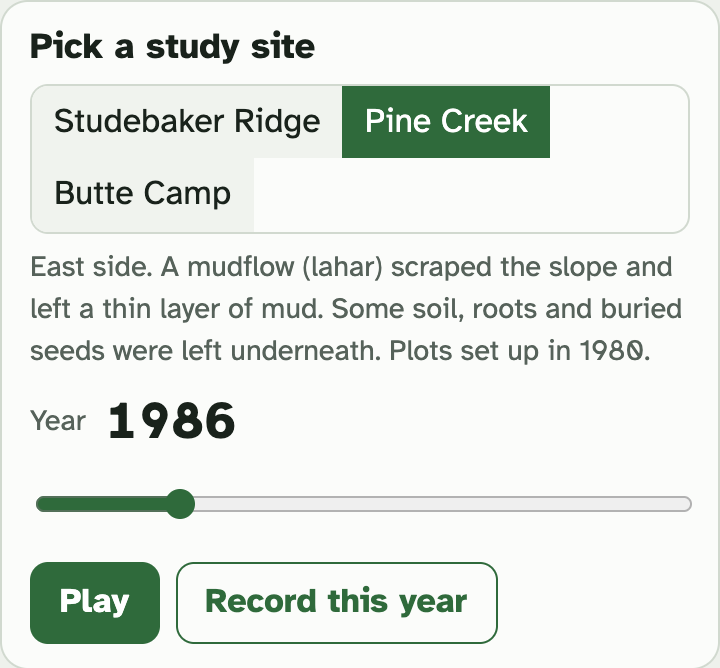
Pick a site. Start with Studebaker Ridge.
2
Slide to the first year the site was measured. The note under the site names tells you when the plots were set up.
3
Press Record this year. Copy the plant cover.
4
Do the same for 1990. Then for the last year measured.
5
Repeat for Pine Creek and Butte Camp.
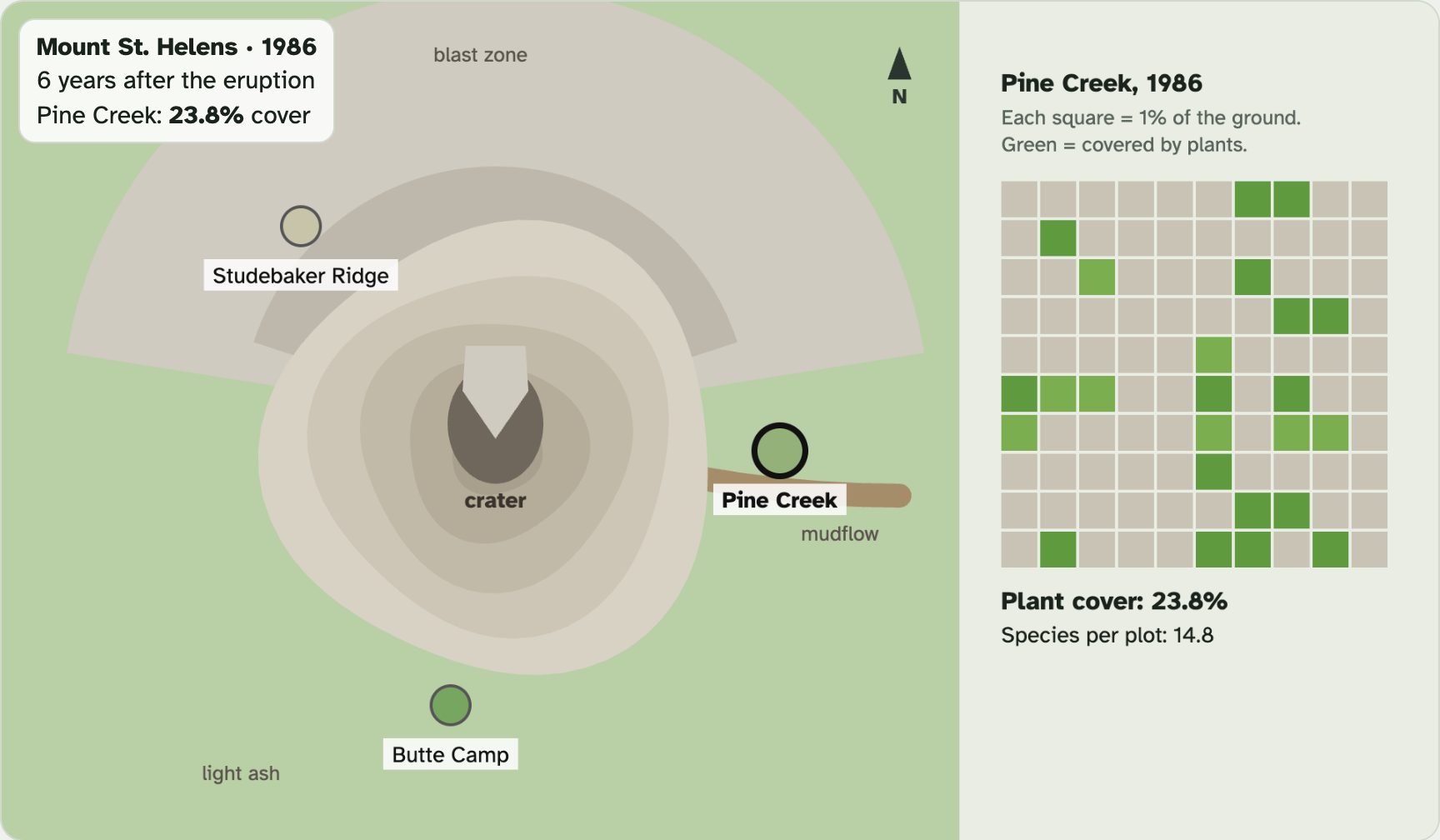
Each square is 1% of the ground. Green squares have plants.
No survey that year? The lab shows the last one and tells you.
Screenshots: mrsajdak.com/succession, Tab 3
PART 3 · QUESTION 12
The first year at 10%
1
Look at the graph. Find the dotted line at 10% cover.
2
Follow one site’s line. Find the first dot on or above the dotted line.
3
Move the slider to that year. Check the number.
4
Subtract 1980. That is the years after the eruption.
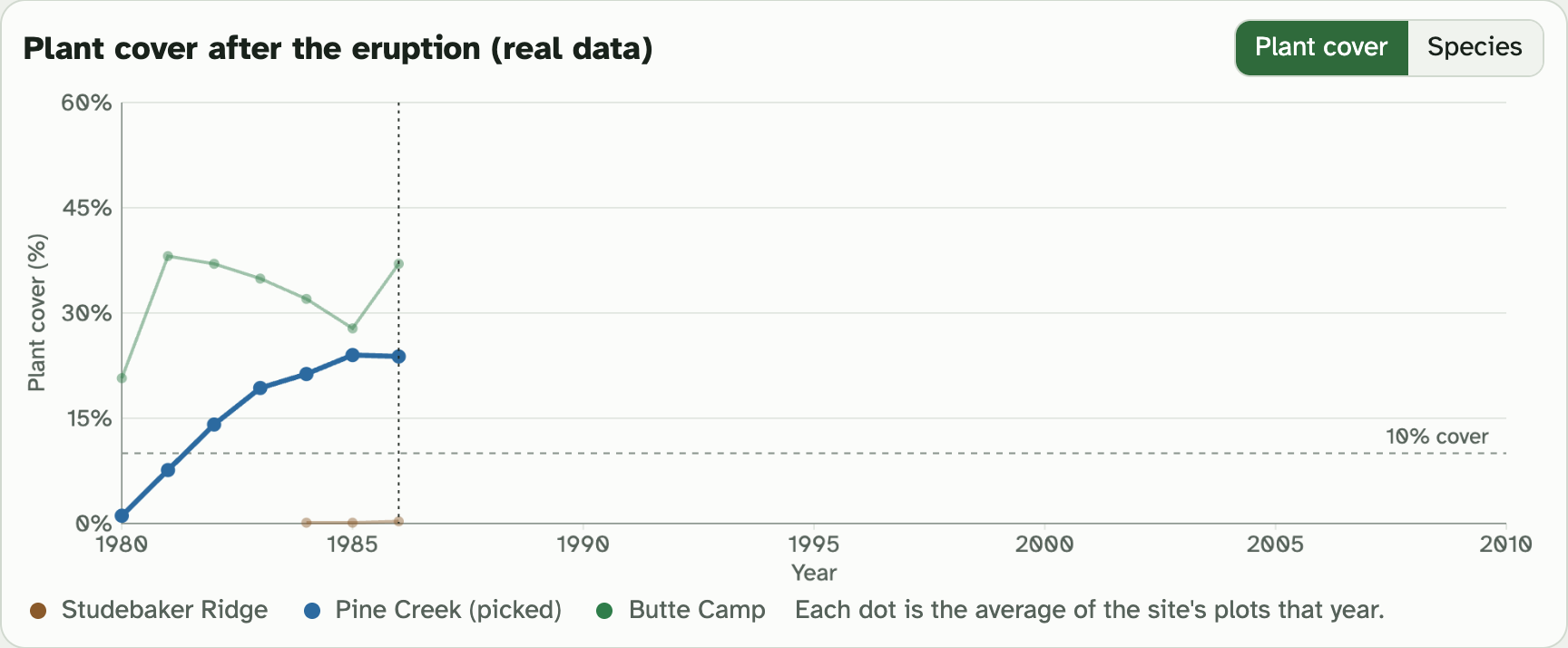
Example
1987 − 1980 = 7
A site that first reaches 10% in 1987 took 7 years. Not your numbers.
Screenshot: mrsajdak.com/succession, Tab 3
PART 3 · QUESTION 13
What did 1980 leave behind?
Primary succession
Nothing was left. No soil, no roots, no seeds.
Secondary succession
The plants were gone. Soil, roots or seeds were still there.
Plants mostly survived
Most plants were hurt, not killed.
Read the note under the site names for each site. Tick one box in each row. Then give evidence for one row. Say what was left, or use a number from Question 12.
The note changes when you pick a different site.
Screenshot: mrsajdak.com/succession, Tab 3
PART 3 · QUESTIONS 14 AND 15
A pioneer, and a prediction
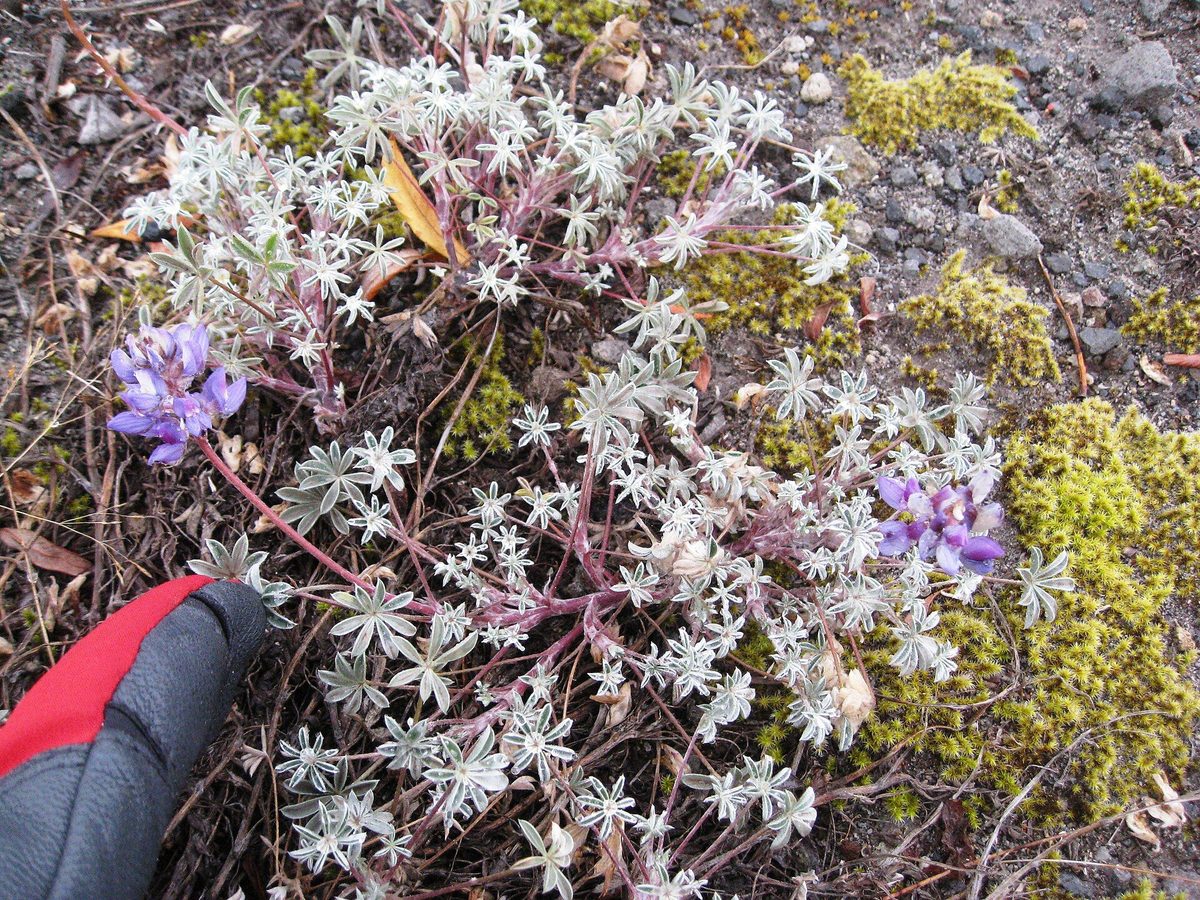
QUESTION 14
Name the pioneer
Pick Studebaker Ridge. Look at Most common plants in the plots from 1984 to 1994. Write the plant at the top.
Bacteria in its roots add nitrogen to the ground. How does that help the plants that come later?
QUESTION 15
Predict 2040
Use Predict 2040 in the lab. Will cover be higher, lower or about the same as in 2009? What moves in next?
Use the pattern in the graph as your reason.
Photo: brewbooks, CC BY-SA 2.0
WRAP IT UP · QUESTION 16
Does a forest always grow back the same way?
The claim
“When a forest is destroyed, it always grows back the same way, at the same speed.”
From Part 2
Pick a number from your Question 6 table. Two communities with the same disturbance work well.
From Part 3
Pick a number from your Question 12 table. Two sites on the same volcano work well.
Reasoning
Say what was different about the places. Think about what was left behind.
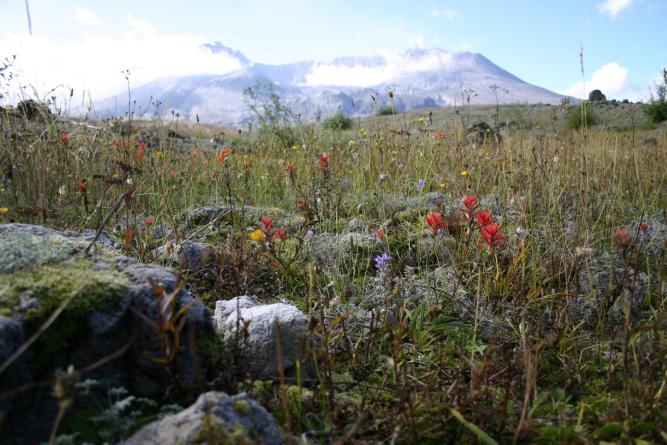
Wildflowers below Mount St. Helens in 2004, 24 years after the eruption.
Photo: P. Frenzen, U.S. Forest Service
LAST CHECK
Before you hand it in
Name, date and period are on top.
All four tables are full.
Question 13 has one tick in each row.
Every claim uses numbers from your own tables.
Photo: USDA Forest Service, Pacific Northwest Research Station